
Have you ever wondered whether a paper filter can really change the character of your pour-over coffee?
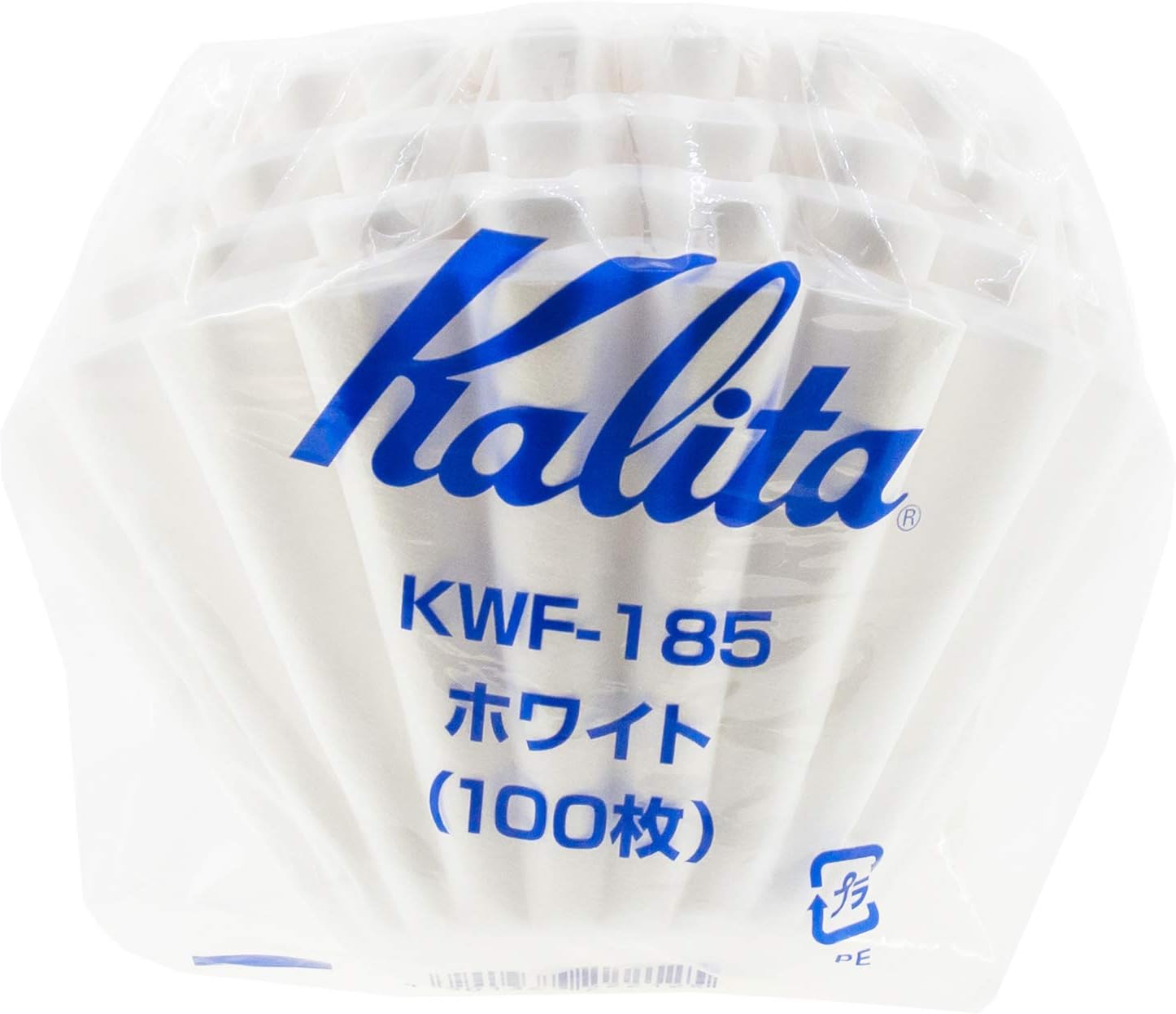

Product Snapshot: Kalita Wave Paper Coffee Filters I Larger Size 185 I 100 Count I Specially Pour Over Dripper I Made in Japan, Large, White
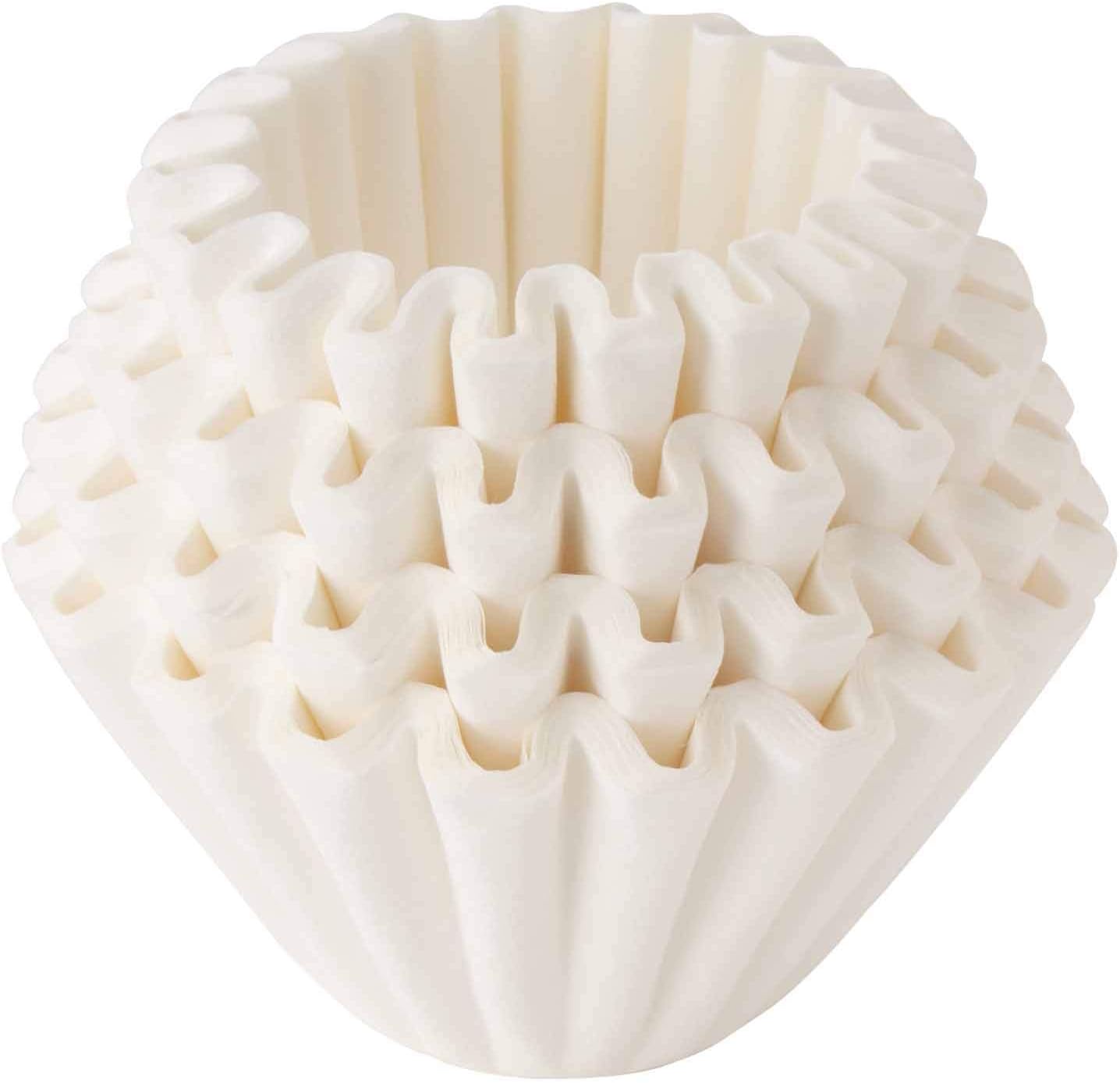
I’ll start with a short snapshot so you know what I’m reviewing. These are Kalita Wave 185 paper filters, the larger size intended for Kalita’s Wave drippers. They come in a 100-count pack, are made in Japan, and use a wave-shaped design intended to promote even extraction and a fuller cup.
What’s in the box
I received a 100-count package of the Kalita Wave 185 filters. The filters are white, flat-bottomed with the signature triple-wave ridges, and feel noticeably thicker than standard grocery-store paper filters. The pack is simple and compact, and the filters are stacked in a way that makes them easy to open and remove one at a time.

Kalita Wave Paper Coffee Filters I Larger Size 185 I 100 Count I Specially Pour Over Dripper I Made in Japan, Large, White
EUR11.06 In Stock
Design and Construction
I pay attention to how a filter is made because that has a direct impact on extraction and flavor. The Kalita Wave filters are made from thick paper stock and are oxygen-bleached, which I appreciate because it avoids chlorine bleaching while keeping the paper bright.
Wave shape and flat bottom
The wave pattern reduces the contact area between the filter and the dripper, and the flat-bottom design creates a consistent coffee bed. I find this setup helps create an even pool of water on top of the grounds, which leads to more uniform extraction in my brewing.
Paper thickness and texture
The paper is thicker than many household filters, which slows down flow slightly and gives me more control over the brew time. The texture feels premium and sturdy, and I rarely see any tearing when I fold or sit the filter into the dripper.

Compatibility and Fit
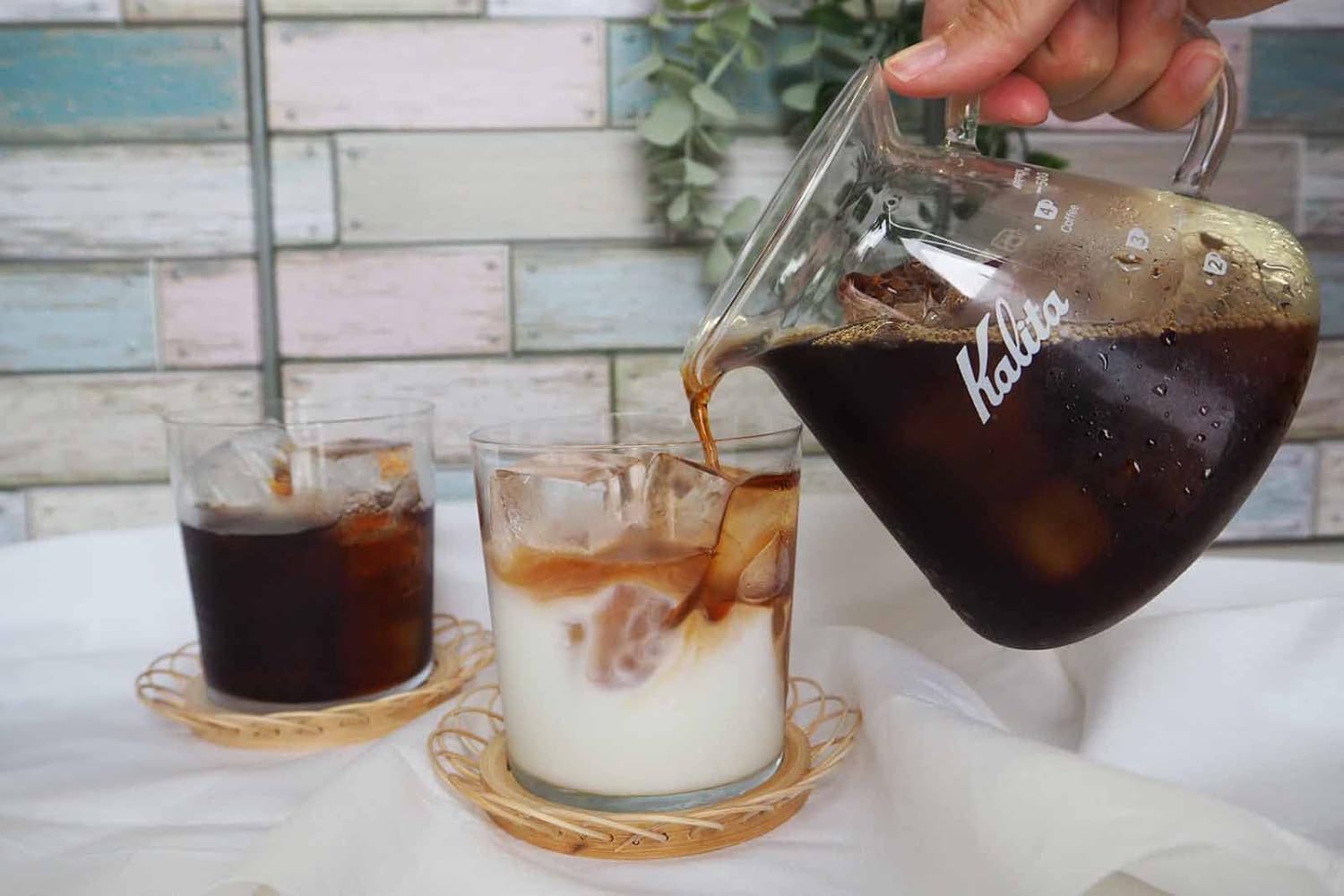
Matching filter and dripper is important, and the 185 size is intended for Kalita Wave drippers.
Best dripper match
For the best results I pair these filters with a Kalita Wave 185 dripper in glass, ceramic, or stainless steel. They seat snugly and create a good seal without stretching or folding awkwardly.
Interchangeability with other brands
I’ve occasionally used these filters in other flat-bottom drippers of similar diameter. While they can work in some cases, the design really performs as intended with the Kalita Wave drippers, especially when considering the angle and spacing of the dripper’s ribs.
Brewing Performance
This is where the filter earns its keep. The Wave design is meant to promote balanced extraction and I experienced that in my morning brews.
Extraction uniformity
I noticed more consistent extraction across the coffee bed compared with cone filters I’ve used. The flat bottom keeps the grounds spread evenly and the water sits on top in a small pool, which helps reduce channelling and hot spots for me.
Flow rate and brew time
The thicker paper slows flow compared to thin cone filters, but not to the point of stalling. My brew times for a 360 ml (12 oz) batch using a 1:15 ratio typically landed between 2:30 and 3:30 minutes depending on grind size and pouring rhythm. The filters handled both coarser and finer grinds without collapsing or causing unpredictable drips.
Taste and Cup Clarity
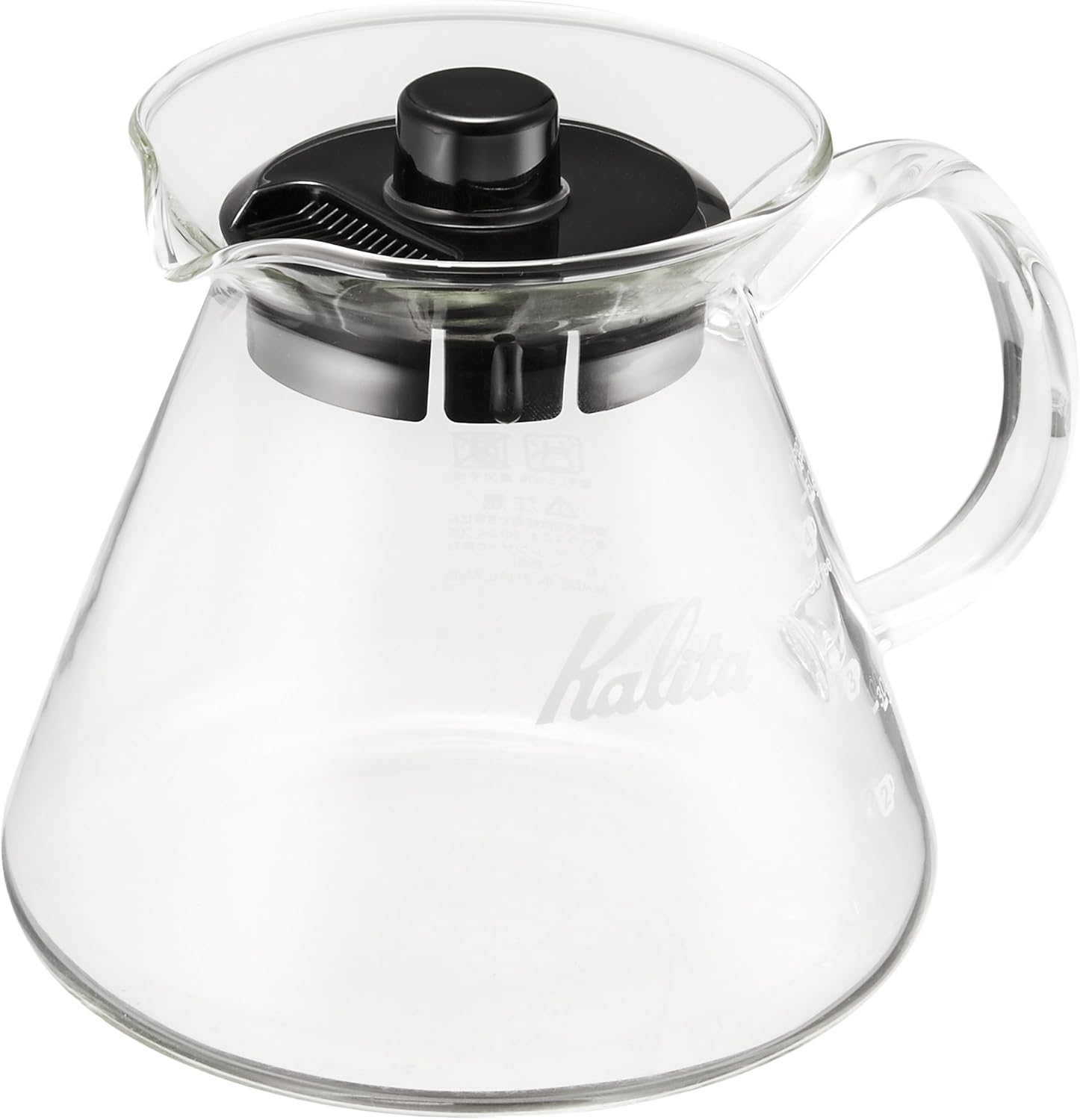
I evaluate filters largely by how they influence the cup. The Kalita Wave filters tend to emphasize clarity while preserving body.
Flavor balance and body
The cup I brewed had a balanced sweetness and more pronounced mid-tones. The Wave filter doesn’t strip all body the way some thin paper filters can; instead, it maintains a pleasant, full mouthfeel while keeping clarity.
Acidity and cleanliness
Acidity remained clean and lively without becoming sharp. I found the filters removed sediment well and the finished cup was clear, making origin characteristics and roast profile easier to taste.
Practical Use and Handling
I use these filters regularly and they’re straightforward in practice.
Folding and setting the filter
I always fold the seam and place the filter into the dripper so the ridges sit against the dripper walls. That small ritual prevents any paper from seeping into the brew and makes the water flow predictable. The filter holds shape well when wet and doesn’t collapse onto the coffee puck.
Rinsing before brewing
I rinse the filter with hot water as I do with most paper filters. Rinsing removes a faint paper smell and preheats the dripper. For me, this step is mandatory and takes 5–10 seconds; I then pour out the rinse water and proceed with brewing.
Comparison: Kalita Wave 185 vs. Popular Alternatives
I’ve tried Hario V60 and Chemex filters enough to compare their characteristics directly to Kalita Wave filters.
Kalita Wave vs. Hario V60
Hario V60 cone filters emphasize clarity and speed; they require a precise pouring technique. The Kalita Wave’s flat bottom is more forgiving and produces a steadier extraction for me. While the V60 can highlight brightness and delicate flavors, the Wave often produces a fuller, rounder cup with less sensitivity to pour inconsistencies.
Kalita Wave vs. Chemex
Chemex filters are thicker and produce extremely clean cups with reduced oils and body. Compared to Chemex filters, the Kalita Wave keeps a bit more body and natural oils in the cup, so I get clarity without losing mouthfeel. If I want an ultra-clean cup, I’ll reach for Chemex; if I want balance and presence, I’ll use Kalita Wave.
Brewing Tips and a Basic Recipe I Like
I find small details in grind, water temperature, and pouring technique are important to get consistent results.
My go-to Kalita Wave 185 recipe
- Coffee: 18 g (medium-fine grind, similar to granulated sugar)
- Water: 300 g (1:16.7 ratio)
- Brew temp: 93°C (199–203°F)
- Bloom: Pour 45–60 g water, wait 30–35 seconds
- Pour: Continue with steady pulses to reach 300 g total at around 2:50–3:20 minutes
This setup gives me balanced sweetness and clarity. I adjust grind finer if brew time is too short, and coarser if it’s too long.
Pouring technique
I use a gentle pulse pour rather than a continuous stream. Gentle pulses maintain the water pool on the coffee bed and help keep extraction uniform. With the Wave, aggressive agitation is unnecessary and can lead to over-extraction.
Table: Quick Reference and Ratings
I like quick-reference tables when comparing attributes. Below is a breakdown of the Kalita Wave 185 filters across the key attributes I care about.
| Attribute | Observation | My Rating (out of 5) |
|---|---|---|
| Fit with Kalita Wave dripper | Perfect seal, seats easily | 5 |
| Flow control | Moderate — slightly slower than thin cone filters | 4 |
| Extraction consistency | Very consistent due to flat bottom and waves | 5 |
| Cup clarity | High clarity, minimal fines | 4.5 |
| Body retention | Good — fuller than ultra-thin filters | 4 |
| Ease of use | Beginner-friendly, forgiving | 5 |
| Durability during brew | Sturdy, resists collapsing | 5 |
| Environmental considerations | Oxygen-bleached (better than chlorine) | 3.5 |
| Value for price | Good for home and pros; 100 filters is convenient | 4 |
Packaging, Storage, and Shelf Life
Small details matter, and I keep my filters fresh by storing them properly.
How the filters are packaged
The filters come stacked in a sealed paper/plastic bag. The packaging is functional and keeps dust out. I didn’t notice strong odors in new packs, but I still rinse before brewing.
Storage recommendations
I store unopened packs in a cool, dry place away from strong odors and moisture. Once opened, I keep the pack sealed or inside an airtight container. Proper storage prevents paper from absorbing humidity which can affect flow and taste over time.
Environmental and Sustainability Considerations
I consider environmental impact when choosing accessories, and Kalita uses oxygen bleaching over chlorine, which I see as a positive.
Bleaching and materials
The filters are oxygen-bleached, which avoids chlorine bleaching byproducts. The paper is thick and likely sourced from a reliable pulping process in Japan. While paper filters are single-use, their biodegradability is straightforward compared to some plastic alternatives.
Waste and compostability
I compost my used filters and coffee grounds. The Kalita filters break down predictably in a home compost system. If composting isn’t an option, they can still be disposed of in general organic waste in many localities.
Durability and Build Quality
For a disposable item, I expect reliable build quality and consistent manufacturing.
Consistency between filters
Across several packs I’ve used, the filters were consistent in size and thickness. I didn’t experience bent ridges or miscuts that could disrupt the seal.
Resistance to tearing and sogginess
During brewing, the filters held up well. Even with longer brew times, I didn’t get tearing or soggy collapse. They remain intact during the pour and act predictably when wet.
Price and Value
I evaluate whether the price fits the performance. A 100-count pack is convenient and provides good value per brew.
Cost per brew
The per-filter cost is reasonable for specialty coffee brewing. For someone who brews daily, a 100-count pack will last several months, and I find the price worth the consistent performance.
Is it worth upgrading?
If you’re moving from generic filters to a Kalita Wave dripper, I think using the matching Kalita Wave filters is worth the extra expense because they optimize the dripper’s design. For casual drinkers who don’t mind minor variances, cheaper alternatives may suffice, but for consistent, repeatable results I prefer these filters.
Pros and Cons
I like to keep a balanced perspective, so here are the main advantages and a few downsides I noticed.
Pros
- Extremely consistent extraction with flat-bottom design.
- High-quality, thick paper that resists tearing.
- Easy for beginners and reliable for pros.
- Oxygen-bleached for a cleaner environmental profile than chlorine-bleached paper.
- Keeps a pleasant amount of body while maintaining clarity.
Cons
- Slightly more expensive than generic filters.
- Best performance is tied to Kalita Wave drippers; less ideal in mismatched drippers.
- Still single-use paper, which means regular waste unless composted.
Common Problems and Fixes
I want you to succeed with this product, so here are issues I’ve seen and how I fixed them.
Paper taste or odor
If you notice a paper taste, thoroughly rinse the filter with hot water before brewing and discard the rinse water. That usually removes residual paper fibers and any factory scent.
Slow or stalled brew
If the flow is too slow, try a slightly coarser grind or confirm that the filter is seated properly without folded corners. A small wrinkle at the bottom where the filter contacts the dripper can slow flow significantly.
Uneven extraction
Check grind uniformity and pouring technique. These filters are forgiving, but an inconsistent grind will still cause channeling. Use a burr grinder to minimize this problem.
Who Should Buy These Filters?
I’ll tell you who I think benefits most from this product.
Best for beginners
If you’re new to pour-over, I recommend these because they’re forgiving and easy to use. The flat bottom reduces the need for precise pouring technique and still produces a great cup.
Best for enthusiasts and professionals
If you’re serious about consistent results, I recommend these to professionals and home enthusiasts. I’ve seen them used in specialty cafes and competitions, and they’re reliable in high-volume use.
My Personal Experience and Use Cases
I use these filters regularly at home and bring them to cuppings and casual tastings. They’re my go-to when I want a consistently balanced cup without fussing over every pour.
Morning routine
For my morning routine, I like a 1:16-1:17 ratio using these filters because they produce an even, approachable cup to start the day. I rarely need to tweak the technique between different coffees.
Occasional experimentation
When I’m tasting single origins and want to highlight distinct notes, I appreciate the clarity Kelita Wave filters provide without removing all body. That balance makes it easier to evaluate sweetness, acidity, and mouthfeel.
FAQ
I’ll answer a few quick questions I often see about these filters.
Do I have to use these only with Kalita Wave drippers?
No, you can use them in other flat-bottom drippers of similar size, but they’re optimized for Kalita Wave 185 drippers. I get the best results when I pair them with a matching dripper.
Are they compostable?
Yes, the paper filters are compostable and break down in municipal and home compost systems, especially if you remove large plastic or foil packaging first.
Should I rinse them before use?
Yes, I always rinse them quickly with hot water. It removes any residual paper taste and preheats the dripper.
Final Verdict
I’ve tried a lot of filters, and the Kalita Wave Paper Coffee Filters (Larger Size 185, 100 count) consistently deliver balanced extraction, solid cup clarity, and a pleasant body. They’re user-friendly for beginners yet dependable enough for professionals. For my brewing style, they strike a great balance between clarity and mouthfeel and work best paired with Kalita Wave drippers.
I recommend them to anyone wanting a fuss-free, consistent pour-over experience—especially if you use a Kalita Wave 185 dripper. If you prioritize ultra-clean cups or want to minimize waste entirely, you might consider Chemex filters or a reusable metal filter, respectively. For most home brewers and coffee lovers who want a reliable, well-performing paper filter, these are an excellent choice.

Disclosure: As an Amazon Associate, I earn from qualifying purchases.